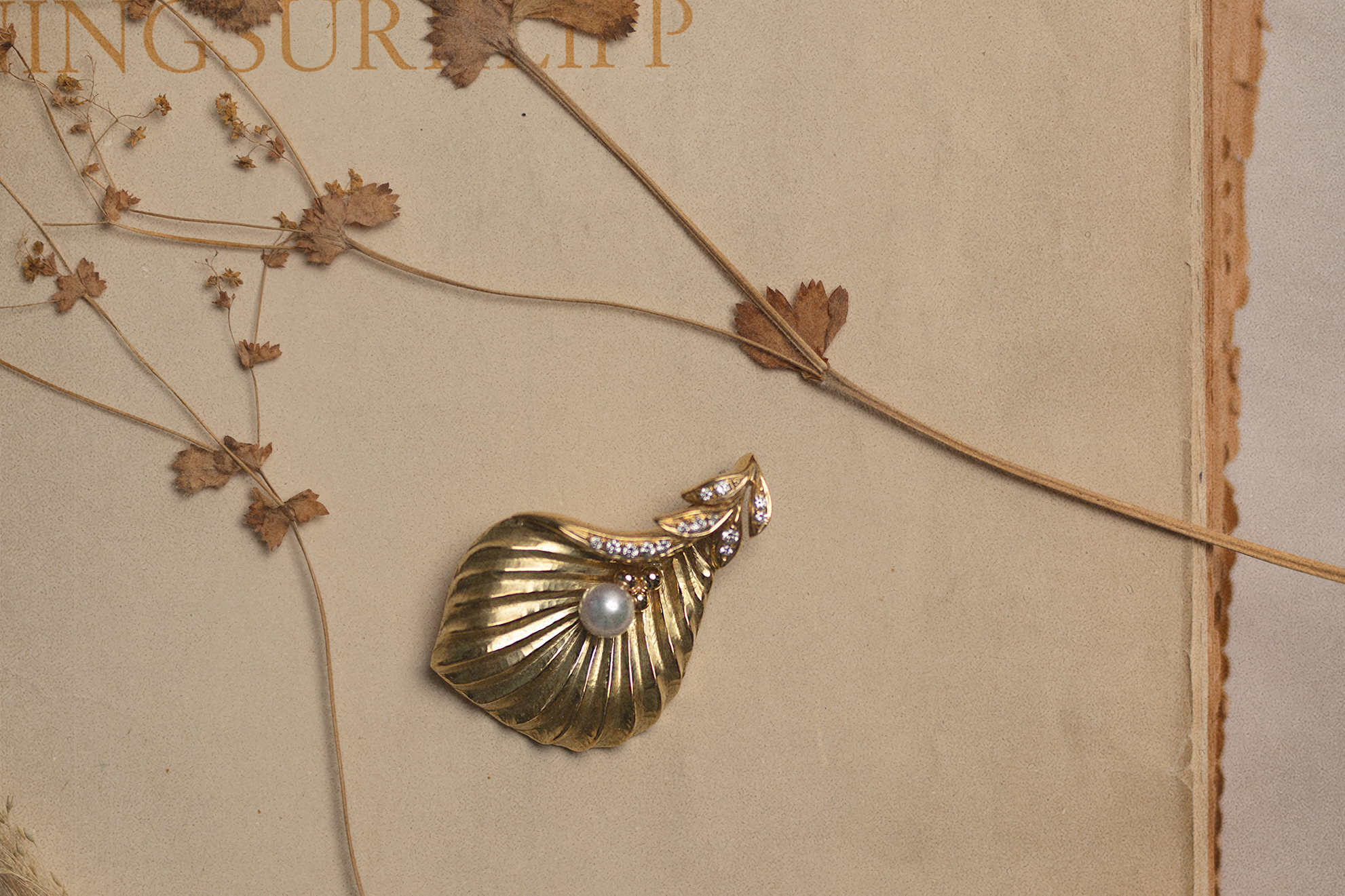

Vintage jewellery allergies and skin reactions are common concerns, particularly due to the higher nickel content and different metal compositions used in older pieces. Unlike modern jewellery, which is made under stricter manufacturing standards, vintage pieces often contain allergenic metals that can cause contact dermatitis. Understanding the causes, symptoms, and protective measures helps you enjoy antique jewellery safely while minimising the risk of skin sensitivity.
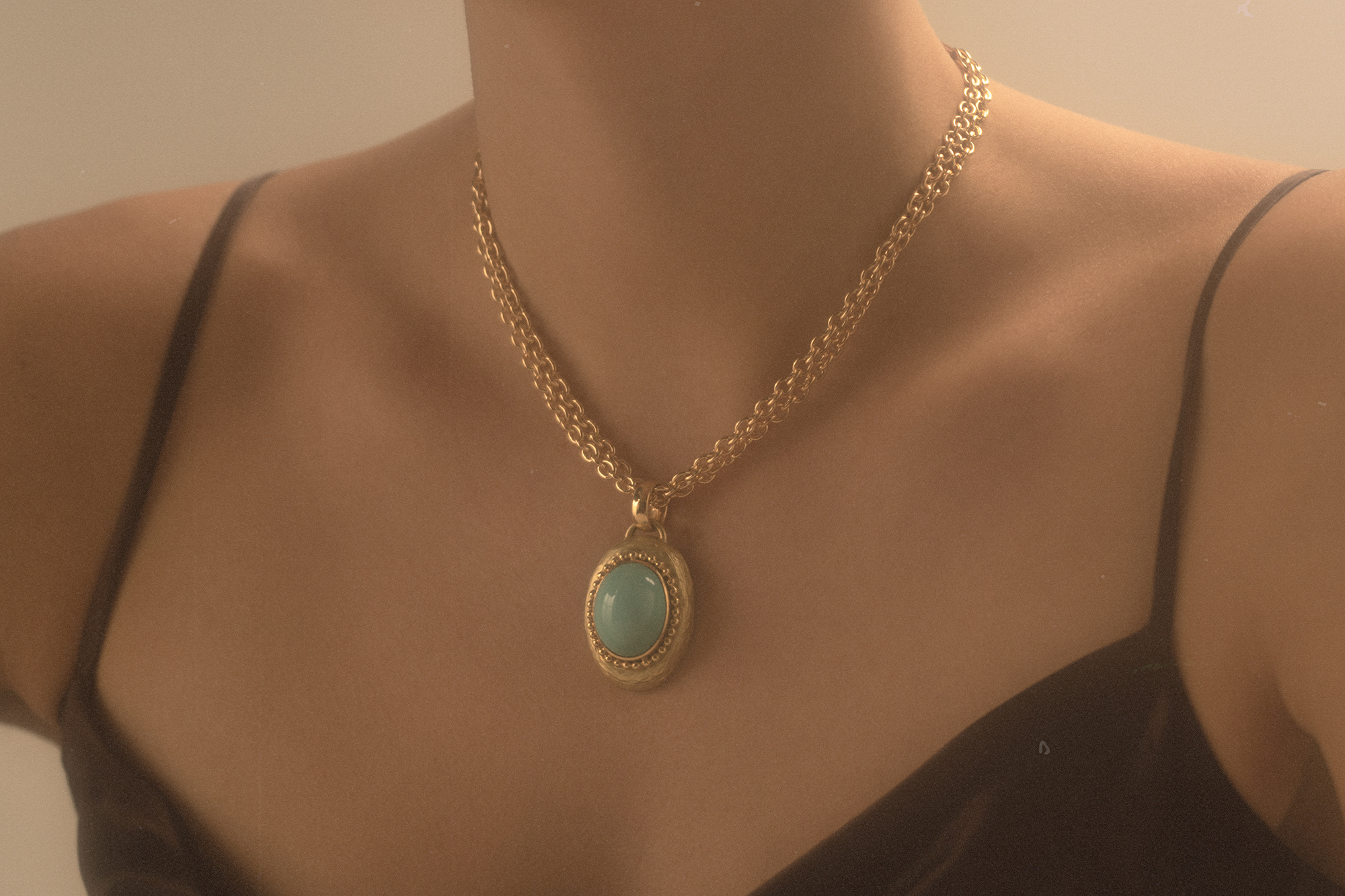
What causes skin reactions to vintage jewellery?
Nickel allergy in vintage jewellery occurs primarily due to the higher concentrations of allergenic metals used in historical manufacturing processes. Vintage pieces frequently contain nickel, copper, brass, and other base metals that were common before modern hypoallergenic standards were developed.
Historical manufacturing practices differed significantly from contemporary standards. Jewellers in earlier eras prioritised durability and cost-effectiveness over skin compatibility. Nickel became particularly prevalent in costume jewellery from the 1920s through the 1980s due to its strength and affordability. Even precious-metal pieces from this period often used nickel-containing alloys for structural integrity.
Copper and brass components in vintage pieces can also trigger skin sensitivity and reactions to antique jewellery. These metals oxidise over time, creating green discolouration and potentially increasing allergen exposure. The patina that develops on aged metals may concentrate irritating compounds that were not problematic when the pieces were new.
Additionally, vintage plating techniques were less sophisticated than modern methods. Thin gold or other precious-metal coatings wear away more easily, exposing underlying allergenic base metals. This explains why some vintage pieces cause reactions after years of comfortable wear.

How can you tell if vintage jewellery will cause an allergic reaction?
Visual inspection reveals several warning signs of potentially problematic vintage pieces. Look for green discolouration on the metal or on your skin after brief contact, which indicates copper content. Tarnishing, flaking plating, or visible base metals beneath worn surfaces suggest a higher risk of allergens.
Hallmarks and maker’s marks provide valuable information about metal content. European pieces often display fineness marks indicating gold or platinum purity levels. However, unmarked costume jewellery from the mid-20th century typically contains higher nickel concentrations.
Professional testing offers the most reliable assessment. Jewellers can perform acid tests or electronic metal analysis to determine the exact composition. Some use nickel testing kits that produce colour changes when nickel is present, though these are not always completely accurate.
The magnet test provides a preliminary screening method. Strongly magnetic pieces likely contain significant iron or nickel content, increasing the potential for allergies. However, non-magnetic pieces are not guaranteed to be safe, as many allergenic metals are not magnetic.
What are the most common symptoms of jewellery allergies?
Jewellery metal allergies typically manifest as allergic contact dermatitis, with symptoms including redness, itching, swelling, and localised rashes where metal contacts the skin. Symptoms usually develop 12–48 hours after exposure and may persist for several days after removing the triggering piece.
Initial symptoms often include mild itching or tingling sensations at contact points. The affected area may become slightly red or warm. As the reaction progresses, more pronounced redness develops, accompanied by raised, inflamed skin that may feel hot or tender.
Severe reactions can produce blistering, weeping lesions, or dry, scaly patches. Some individuals experience reactions that spread beyond the initial contact area. Chronic exposure may lead to persistent dermatitis with thickened, discoloured skin.
Seek medical attention if symptoms include a widespread rash, severe swelling, signs of infection, or reactions that do not improve within a few days of discontinuing jewellery wear. Persistent symptoms may require prescription treatments or allergy testing to identify specific triggers.
How do you safely wear vintage jewellery if you have sensitive skin?
Protective barrier methods allow sensitive individuals to enjoy vintage pieces safely. Clear nail polish applied to metal surfaces creates a temporary barrier between the skin and allergens. Reapply regularly as the coating wears away with use.
Professional replating with hypoallergenic metals provides a more permanent solution. Rhodium, palladium, or high-karat gold plating creates protective layers over problematic base metals. This investment preserves vintage pieces while eliminating allergen exposure.
Limiting wear reduces both the duration and intensity of exposure. Wear potentially problematic pieces for shorter periods, allowing the skin time to recover between uses. Remove jewellery immediately if any irritation develops.
Proper cleaning techniques minimise allergen concentration. Gentle cleaning removes oxidation products and accumulated irritants. However, avoid harsh chemicals that might damage vintage finishes or expose underlying metals.
Consider protective undergarments for vintage brooches or large pieces. Fabric barriers prevent direct skin contact while preserving the aesthetic appeal of antique jewellery. This approach works particularly well for statement pieces worn occasionally.
Understanding vintage jewellery allergies empowers collectors and enthusiasts to make informed decisions about their pieces. With proper identification techniques and protective strategies, most individuals can safely enjoy the unique beauty and historical significance of antique jewellery. Professional guidance helps ensure both the preservation of valuable pieces and the protection of sensitive skin.