
Yes, most diamond rings can be resized, but feasibility depends on several factors, including the ring’s design, metal type, and diamond setting. Professional jewellers can typically resize rings by up to two sizes larger or smaller while maintaining structural integrity. However, certain styles, such as eternity bands or rings with intricate settings, may have limitations that affect the resizing process.
Can all diamond rings be resized, or are there limitations?
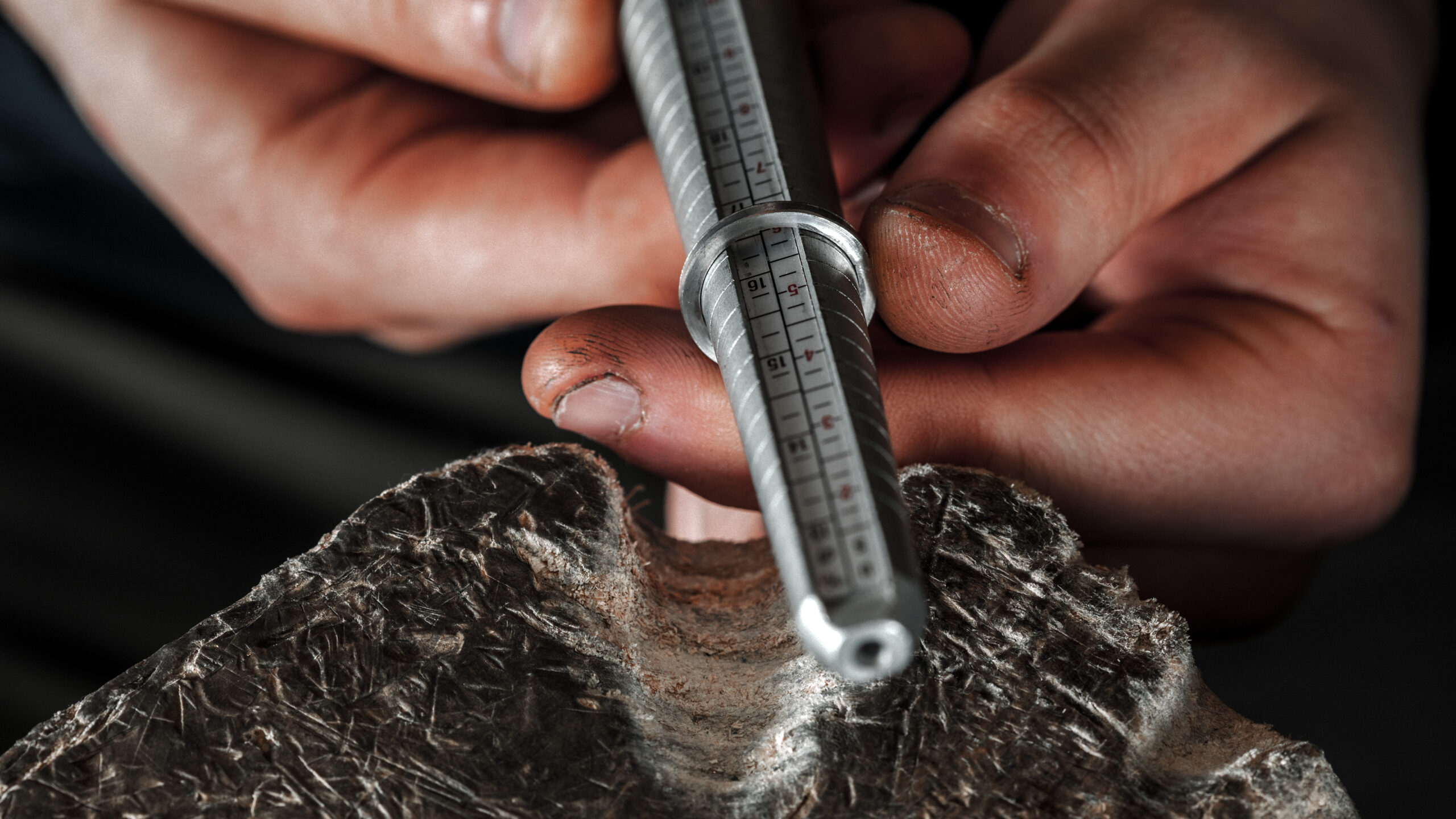
Not all diamond rings can be resized successfully, and several factors determine whether resizing is possible. Most solitaire and simple band designs can be resized without significant issues, particularly when made from gold or platinum.
The metal type plays a crucial role in resizing feasibility. Gold and platinum resize well because these metals can be heated and manipulated without losing their structural properties. White gold may require re-rhodium plating after resizing to maintain its colour and finish.
Ring style significantly impacts resizing options. Eternity bands with stones around the entire circumference cannot be resized because cutting the band would disrupt the continuous stone setting. Similarly, rings with intricate filigree work, vintage designs with delicate details, or tension settings present challenges that may make resizing inadvisable.
The diamond setting type also affects resizing possibilities. Prong settings generally allow for easier resizing, while channel settings or pavé designs may require additional work to maintain stone security. Rings with side stones or complex settings often need extra attention to ensure all diamonds remain properly secured after the resizing process.
How does the diamond ring resizing process actually work?
Professional ring resizing involves carefully cutting and reshaping the band while protecting the diamonds throughout the process. The jeweller removes the ring from the finger, assesses the required size change, and determines the best approach for that specific design.
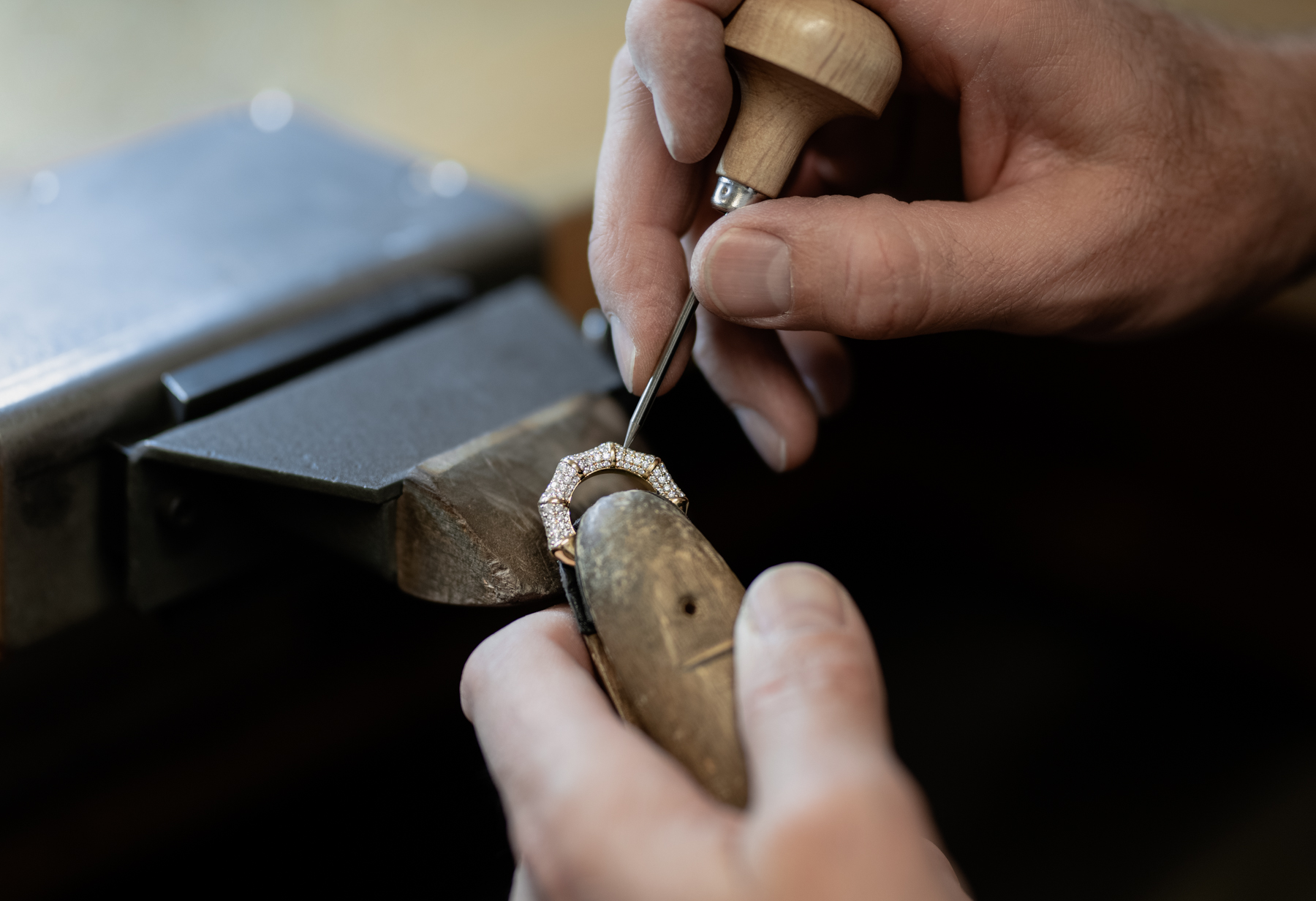
To make a ring smaller, the jeweller cuts a small section from the band’s shank, removes the excess metal, and solders the ends together. The ring is then shaped back to perfect roundness using specialised tools called mandrels. This process requires precise measurement to ensure the final size matches the customer’s requirements.
When enlarging a ring, additional metal matching the original composition is inserted into the band. The jeweller cuts the ring at an appropriate point, usually at the bottom of the shank, and adds the new metal section. The joints are carefully soldered and filed smooth to create an invisible seam.
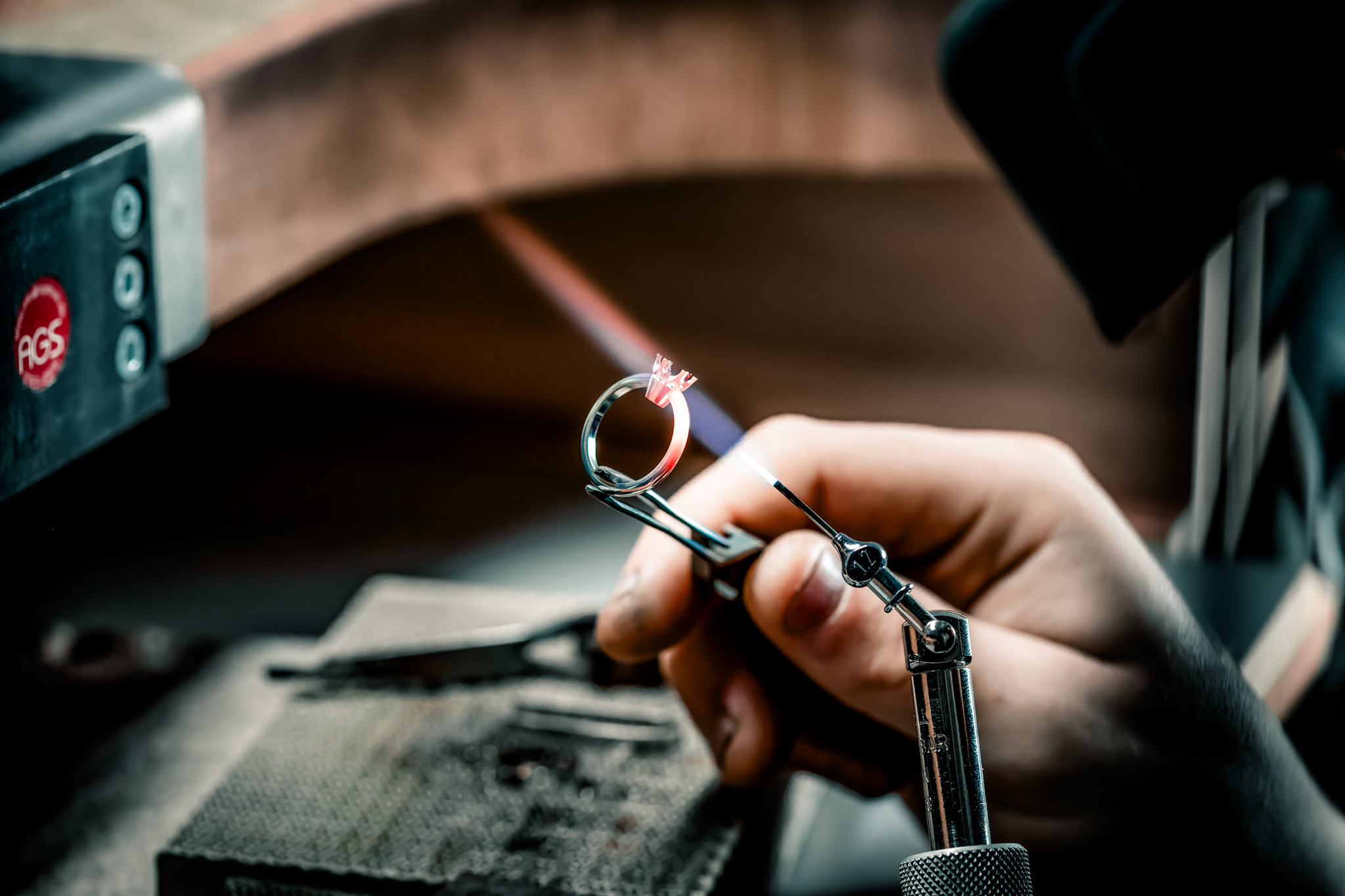
Throughout the process, diamonds are protected using heat shields or by temporarily removing them if the setting allows. The jeweller monitors the temperature carefully during soldering to prevent thermal shock that could damage the stones. After resizing, the entire ring is polished and finished to restore its original appearance.
What are the risks of resizing a diamond ring?
The primary risks include potential diamond damage, setting weakness, and metal stress that could affect the ring’s long-term durability. However, experienced jewellers use proper techniques to minimise these risks significantly.
Diamond damage can occur from excessive heat during the soldering process or from vibrations during cutting. Diamonds are naturally heat-resistant, but rapid temperature changes can cause internal stress fractures. Professional jewellers use controlled heating techniques and protective measures to prevent thermal damage.
Setting weakness may develop if the resizing process affects the prongs or other mounting elements. When the metal is heated and manipulated, the settings holding the diamonds can become loose or misaligned. This risk is particularly relevant for older rings, where the metal may have become brittle over time.
Metal stress occurs when the ring’s structure is altered beyond its natural flexibility limits. Excessive stretching or compressing can create weak points in the band that may lead to cracking or breaking in the future. This risk increases with larger size adjustments or repeated resizing of the same ring.
Professional jewellers minimise these risks through careful assessment, appropriate techniques, and quality control measures. We inspect each ring thoroughly before and after resizing, use proper temperature controls, and ensure all settings remain secure throughout the process.
How much does it cost to resize a diamond ring?
Ring resizing costs typically range from €30 to €150, depending on factors such as metal type, complexity of the design, and the extent of the size adjustment needed. Simple gold bands cost less than platinum rings with complex settings.
The metal type significantly affects pricing because different materials require varying levels of skill and time to work with. Platinum resizing costs more than gold due to the metal’s higher melting point and the specialised equipment required. White gold may incur additional costs for re-rhodium plating to restore the finish.
Design complexity influences the overall price substantially. Simple solitaire settings are straightforward to resize, while rings with multiple stones, intricate details, or unusual shapes require more time and expertise. Vintage or antique rings often cost more due to their delicate nature and the extra care required.
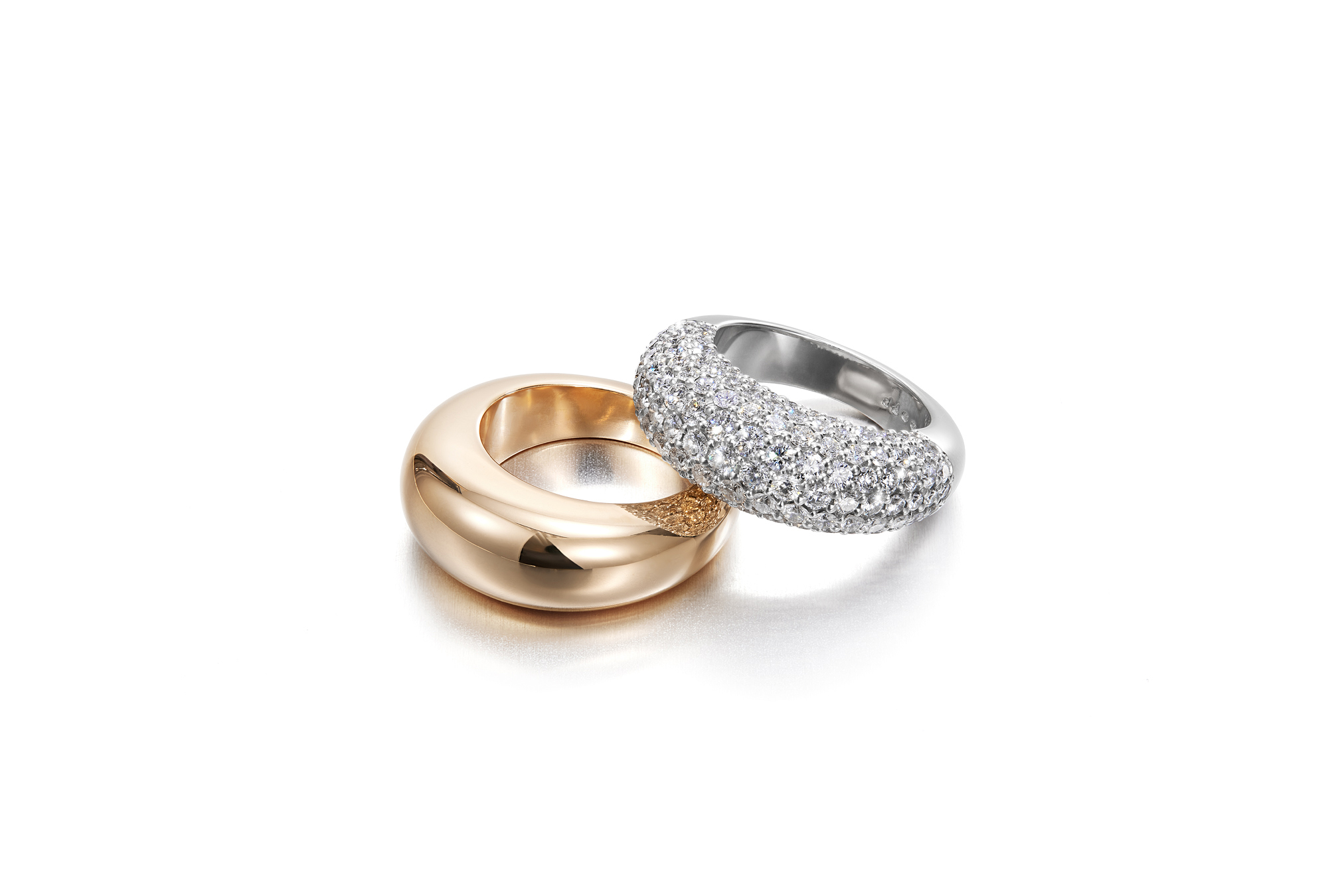
The extent of the size adjustment affects both cost and feasibility. Minor adjustments of half a size or one full size are typically less expensive than larger changes. Significant size increases may require additional metal, increasing both material and labour costs.
Additional services such as cleaning, polishing, or prong retipping may be recommended during the resizing process, adding to the total cost but ensuring the ring’s optimal condition and security.
When should you avoid resizing a diamond ring?
Avoid resizing when the required size change exceeds two full sizes, when dealing with antique or heirloom pieces, or when the ring features settings that could be compromised by the process. Alternative solutions often provide better outcomes in these situations.
Extreme size changes create structural problems that compromise the ring’s integrity and appearance. Large adjustments can distort the ring’s proportions, making the band appear uneven or affecting how the diamond sits in relation to the finger. The mounting may also become unstable with excessive size modifications.
Antique and vintage rings require special consideration because their age and construction methods may not withstand modern resizing techniques. The metals in older rings can become brittle over time, and historical craftsmanship techniques may be irreversible if altered. Preserving the original integrity often holds more value than achieving a perfect fit.
Certain setting types should not be resized due to their construction. Tension settings rely on precise metal stress to hold diamonds securely, and resizing disrupts this delicate balance. Similarly, rings with continuous stone settings or intricate channel work cannot be altered without compromising the design.
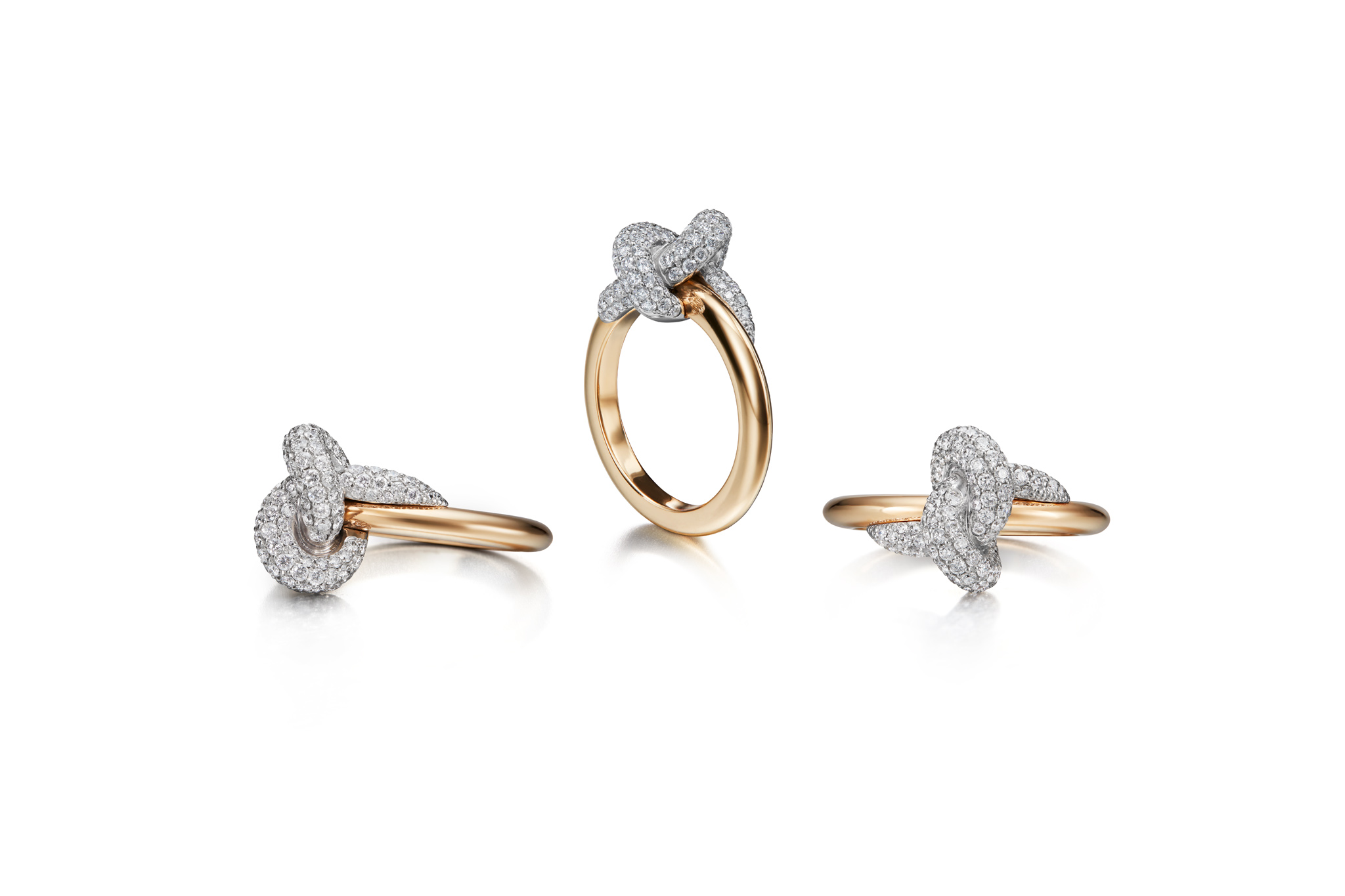 Alternative solutions include ring guards, sizing beads, or having a new ring created using the original diamonds. These options preserve the diamond ring while achieving a comfortable fit. At Atelier Torbjörn Tillander, the professional consultation helps determine the best approach for each unique situation, ensuring both practicality and preservation of the ring’s value and beauty. Read more and don’t hesitate to get in touch.